Building Rural based Economic Resilience; Why Revolving Funds Work Better Than One-Time Funding for Youth Entrepreneurs – The Case of the Rwamurunga Youth Revolving Fund Group.”
With over five years of experience in innovating sustainable community-led solutions that maximize opportunity for young people, one lesson stands out clearly: youth need a safe fallback
system to experiment, fail, and try again. Serial entrepreneurs often say that at some point in the entrepreneurial journey, one must hit rock bottom before finding the right path. This argument is not rhetoric, it reflects the lived reality of building something from nothing. Yet, the current funding ecosystem rarely acknowledges this truth. No one wants to invest in a beginner. But at the same time, whoever never begins never has a journey.
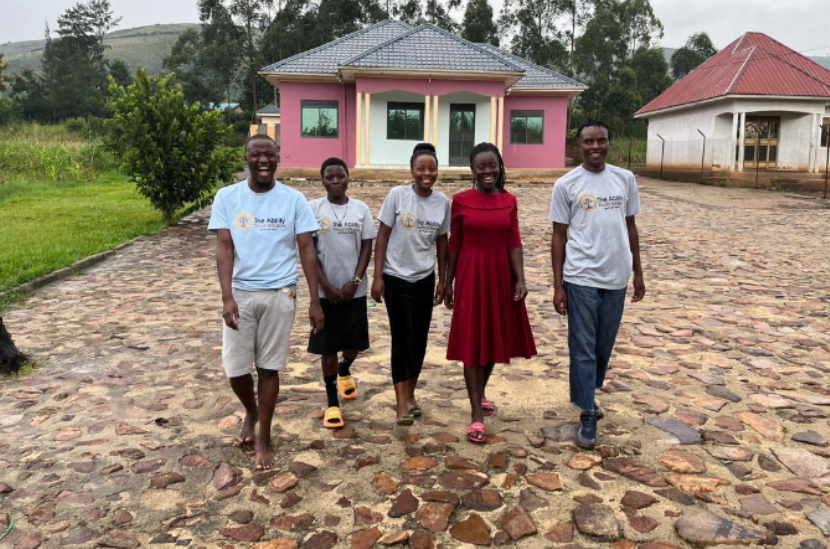
For many young people in low- and middle-income countries, the challenge is even deeper. A significant number of youth especially those out of school survive on informal and low-paying work often referred to as juakali. For them, applying formally for grants, venture funding, or investment opportunities is already a barrier. Even when they manage to apply, the most common response is: “We regret to inform you.” Perhaps one out of every hundred applicants receives a congratulatory email and funding support.
For those lucky few, the real work then begins. Building a business requires time, experimentation, and continuous adjustment. Entrepreneurs need space to practice, fail, correct mistakes, and sometimes start again. One-time funding rarely allows room for that process.
At The Ability Youth Initiative (Tayinu), we have learned to work differently, particularly when supporting out-of-school youth, adolescent girls, and young women in rural communities. Our experience shows that revolving funds create a more flexible and inclusive financing
mechanism. Unlike one-time grants that benefit only a few individuals through competitive selection processes, revolving funds allow many young people to access capital progressively as the fund grows.
Through this model, young entrepreneurs can try multiple income-generating activities, learn from setbacks, and pivot toward more sustainable business opportunities.
In partnership with Oxfam, With funding from the African Union and the European Union through the AU–EU Youth Lab, Tayinu implemented the Upstream Project, which supports community-driven approaches to youth entrepreneurship using revolving funds. Through this initiative, eight community revolving fund groups were established to catalyze youth-led Small and Medium Enterprises (SMEs).
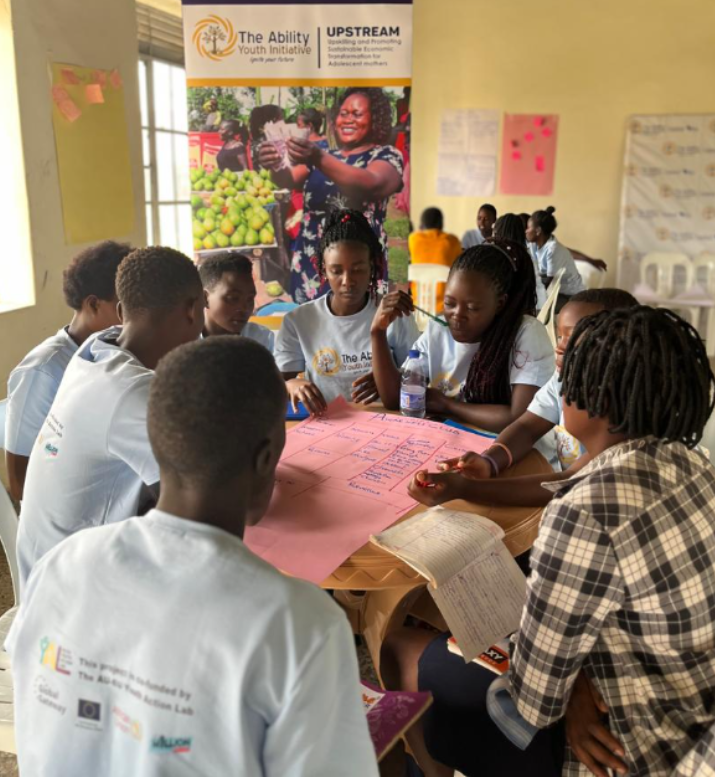
One of these groups is the Rwamurunga Youth TRF Group, composed of 12 young women committed to building economic independence through collective savings and entrepreneurship. Within just five months, the Tayinu Revolving Fund in the community grew to UGX 6,000,000, creating access to financial resources for over 100 women contributing to and benefiting from the fund. Through this system, members are able to borrow small amounts, test business ideas, learn from their experiences, and reinvest their profits.
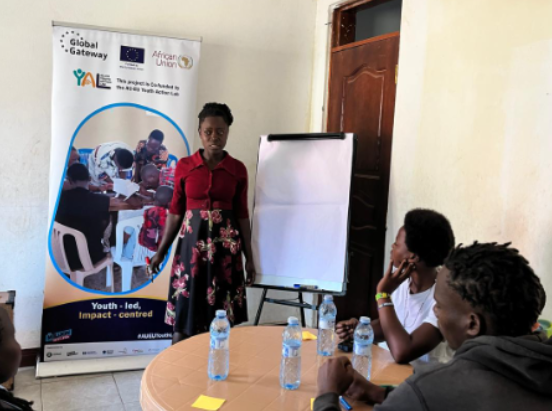
One of the beneficiaries of this model is Evas Kirabo.
Kirabo received Hands-On Skills Training (HOST) in hairdressing in 2021, but she lacked the capital needed to start her own salon. Without employment opportunities, she relied on small and unstable agricultural work to survive. When Kirabo joined the Upstream Project, she participated in the Business and Entrepreneurship Skills Training (BEST) and later became a member of the community revolving fund group, which meets weekly every Sunday at the Tayinu Youth Space.
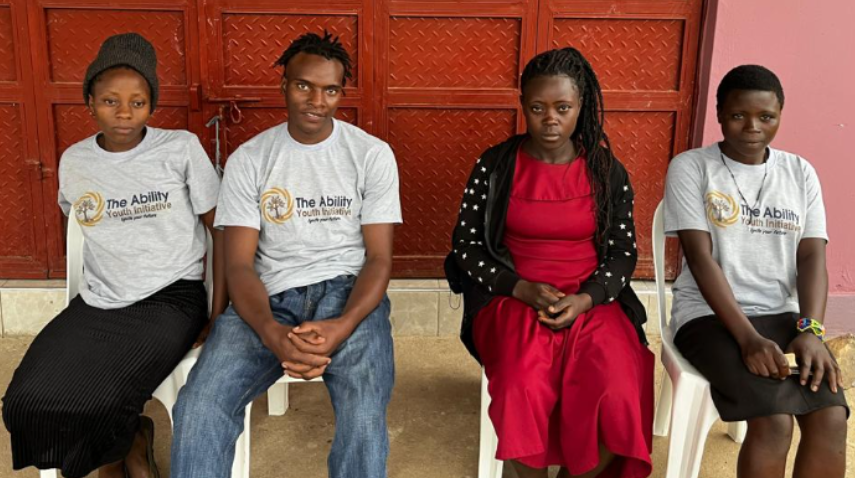
When the group savings reached UGX 500,000, Kirabo decided to take her first entrepreneurial step. She borrowed UGX 50,000 from the revolving fund and began trading in matooke, purchasing bunches from farmers and transporting them to Kajaho market on Thursdays, the main market day. Her first attempt brought a profit of UGX 10,000.
The following week, however, she experienced a loss of UGX 2,500. Rather than giving up, Kirabo observed the market environment more closely. She noticed that many traders had little time to leave their stalls to buy food.
This observation sparked a new idea.
Kirabo pivoted. Using the same small capital investment, she started a mobile food vending business at the market, providing quick meals to traders who could not leave their businesses to have a meal at a restaurant This time, the result was different, Kirabo made a profit of UGX 30,000. For Kirabo, she has to part of this Money into the TRF group so that another member can try their endeavor too. Kirabo ploughs the balance of profit into her business.
A Model That Allows Learning
Kirabo’s story reflects the strength of the revolving fund model. Instead of a single opportunity tied to a one-time grant, the system provides continuous opportunities to experiment, learn, and grow. For rural youth, small and medium-sized enterprises are often the most feasible pathway to economic independence. These enterprises require modest capital that can be mobilized through community-based savings and revolving funds. When designed well, revolving funds do more than provide money. They create a safe environment where young entrepreneurs can practice entrepreneurship, build resilience, and eventually discover what works. And in that space where failure is allowed and learning is encouraged real economic transformation begins.
We believe that lasting impact is built through collaboration. We are always looking to connect with like-minded organizations, institutions, & communities who share our commitment to improve education & employment outcomes amongst youth in Uganda
Rwamurunga, Oruchinga Refugee Settlement. Located 32 miles on Mbarara–Kikagati Road
Copyright © 2026 The Ability Youth Initiative. Powered by TANDIKA TECHNOLOGIES UG LTD